28. All Souls’ Day and Halloween
When candles are quietly lit by us on the graves of our loved ones at the beginning of November, or pumpkins are carved with a smile, it is realized by very few that the roots of these customs are situated in an ancient time full of fear, protective magic, and superstition. With the arrival of chilly autumn, it was believed by our ancestors that the curtain between the world of the living and the realm of the dead was being thinned, and stray souls were returned to our world. Today’s reverent All Souls’ Day and the global phenomenon named Halloween are represented as two different branches of historical development, by which the ancient pagan respect for darkness and the Christian belief in purgatory were transformed into their current form. How were modern holidays of remembrance and community entertainment evolved from Celtic fires, the fear of night phantoms, and rituals?
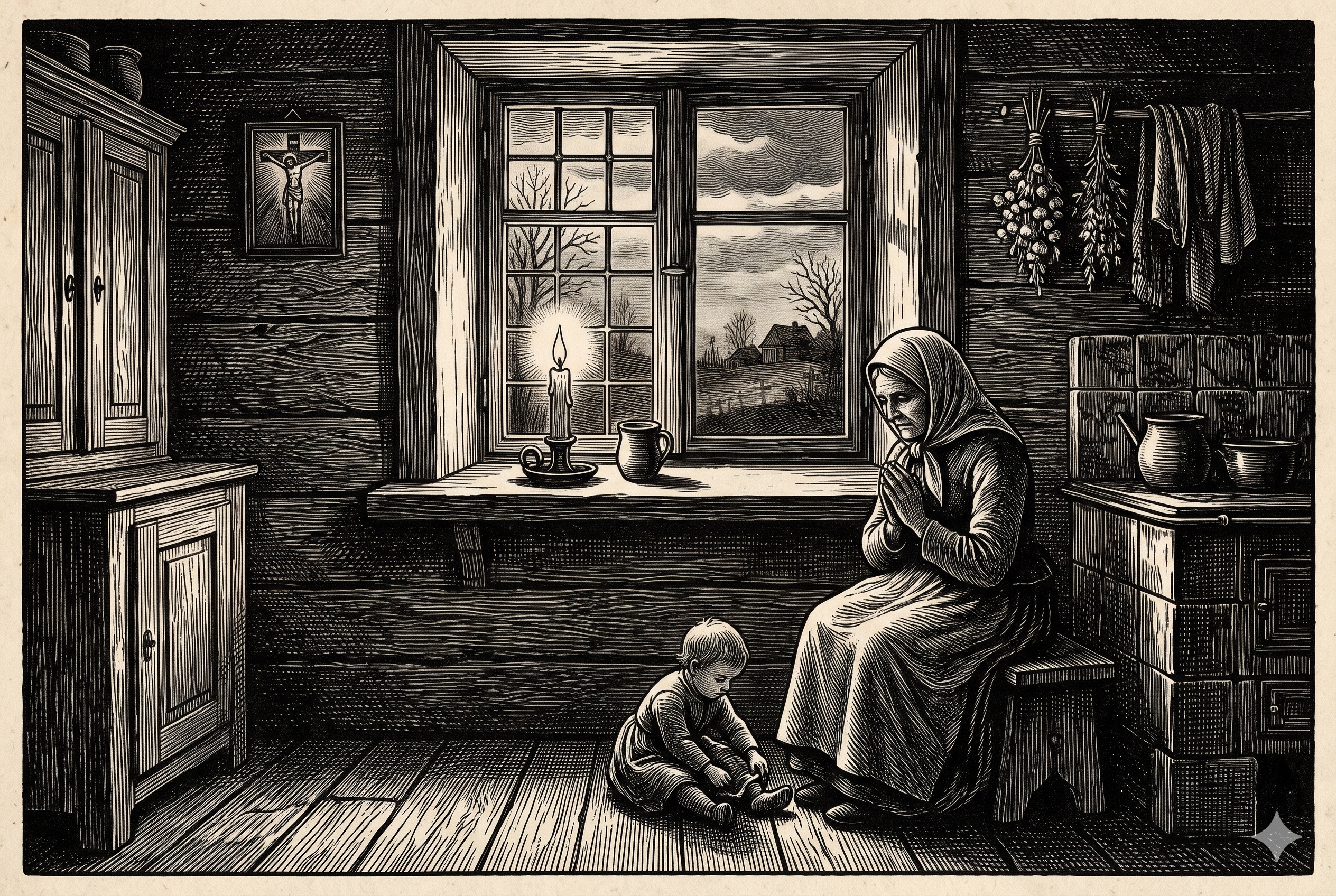
It was believed by pre-Christian cultures that the boundary between the world of the living and the dead was thinned at the turn of autumn and winter. The festival of Samhain was celebrated by the Celts because they were convinced that the souls of the deceased were returned to earth. Fires were lit for them for their journey, and food was left so that they would be appeased and their anger would be averted. Similar rituals aimed at the worship of ancestors, which were connected with offerings in the form of food and drinks thrown into the fire or left on graves, were held by the Slavs. The maintenance of lineage continuity, the securing of protection from ancestors from the other side, and the appeasement of wandering or malevolent spirits were targeted as the goals of these practices.
With the onset of Christianity, deeply rooted pagan celebrations were attempted to be replaced by the church with its own holidays. At the end of the 10th century, it was ordered that the Commemoration of All the Faithful Departed be celebrated on November 2, the day after All Saints’ Day. The original pagan fear of the return of the dead was melted down by the church into the concept of purgatory. Consequently, a clear purpose was given to Christian All Souls’ Day. Through prayers, fasting, and good deeds, the souls in purgatory were meant to be helped by the living so that their suffering would be shortened and their journey to heaven would be eased. With gradual urbanization and changes in lifestyle, the form of All Souls’ Day was begun to be altered, and it was moved to cemeteries, where the decoration of family tombs, the laying of wreaths, and the lighting of candles were turned into expressions of respect for ancestors.
In the Anglo-Saxon world, a much noisier tradition, which was derived from the same Celtic roots of the Samhain festival, was developed. The name Halloween was created by shortening the English “All Hallows’ Eve,” i.e., the Eve of All Saints (October 31). The original folk customs from Ireland and Scotland were brought to the United States in the mid-19th century by waves of immigrants fleeing from famine. In their homeland, terrifying faces were carved into turnips or beets by the Irish, and glowing coals, by which evil forces were meant to be driven away, were placed inside them. However, the pumpkin was discovered by European immigrants in America, by which the most famous symbol of this holiday today was born. A similar purpose was also served by the wearing of terrifying masks. It was believed by people that if they were disguised as demonic beings during the night, they would be considered as one of them by real evil spirits, and no harm would be done to them. During the 20th century, the American Halloween was heavily commercialized. The mystical ritual was turned into community entertainment, where neighbors are visited by children in costumes, and sweets are demanded under the threat of a minor prank. While its intimate character focused on remembrance and cemeteries was retained by the Central European All Souls’ Day, Halloween was transformed into a global pop-culture phenomenon full of exaggeration and playing with fear.
It was believed by our ancestors that the boundary between the world of the living and the realm of the dead is thinned with the arrival of chilly autumn. Whether candles are quietly lit by you in cemeteries today, or pumpkins are carved with your family, the essence of these ancient customs is remained the same even after thousands of years, namely to maintain lineage continuity and not to forget those who were here before us. Let the history of your family not be allowed to fade and disappear in time. Let your origins be uncovered, and let the bond with the past, upon which your present is built, be strengthened. Let our professional genealogical services be utilized, and let the tracks of your own history be followed with us. Let a free consultation be requested via the contact form, email or WhatsApp.
Kateřina Schneiderová